

Acne & Pimples Treatment in Kochi
Best Acne Pimples Treatment in Kochi for Clearer, Healthier-Looking Skin
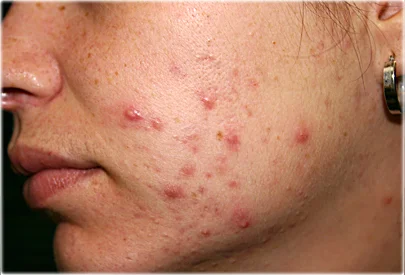
Pimples are more than an occasional skin problem. For some people, they appear as a few blackheads or whiteheads, while others deal with painful, inflamed acne that keeps coming back. When acne is frequent or severe, it can also leave behind dark marks, uneven texture and permanent scars.
At Almeka, acne treatment starts with understanding why your acne is happening and what type of acne you have. Our specialists assess your skin, the severity of the breakouts and any marks or scars left behind before recommending a suitable treatment plan.
Depending on your condition, treatment may include medicated skincare, salicylic acid-based treatments, chemical peels, oral or topical medicines, laser-based procedures and other dermatologist-recommended options.
If you are looking for the Best Acne Pimples Treatment in Kochi, the right treatment is not necessarily the strongest one. It is the one that matches your skin and the cause of your acne.
Why Do Pimples Keep Coming Back?
Acne develops when hair follicles become blocked with oil, dead skin cells and other impurities. Hormonal activity can increase oil production, while inflammation and bacteria can contribute to more severe breakouts.
Common factors associated with acne include:
- Hormonal changes, especially during puberty or adulthood
- Excess oil production
- Stress and poor sleep
- Family history of acne
- Certain medicines
- Cosmetics or skincare products that clog pores
- Friction, sweating or occupational exposure
- Dietary factors in some individuals
Acne is not caused simply by having “dirty skin.” Over-washing or aggressively scrubbing the face can actually irritate the skin and make breakouts harder to manage.
What Type of Acne Do You Have?
Knowing the type of acne can help determine the appropriate treatment.
Whiteheads and Blackheads
These are usually considered non-inflammatory acne. Whiteheads form when a pore becomes blocked and remains closed, while blackheads form when the blocked material comes into contact with air and darkens.
Papules
Papules are small, raised and red bumps that develop when a blocked pore becomes inflamed.
Pustules
Pustules are inflamed pimples that contain visible pus. They may appear red around the affected area.
Nodules and Cysts
These are deeper and often painful forms of acne. They can remain under the skin for longer and have a greater risk of causing permanent acne scars.
A dermatologist can determine the severity of your acne and whether you need treatment for active breakouts, acne marks, scars or a combination of concerns.
Can Acne Cause Permanent Scars?
Not every pimple leaves a scar. However, deep and inflamed acne, particularly nodules and cysts, can damage the deeper layers of the skin and increase the risk of permanent scarring.
It is also important to distinguish acne marks from acne scars.
Dark or red marks left after a pimple may gradually fade as the skin heals. Acne scars, on the other hand, involve a change in the skin’s texture and may appear as depressions, pits or raised areas.
Picking, squeezing or repeatedly touching pimples can increase inflammation and may raise the risk of scarring.
This is why treating active acne early can be an important part of preventing more noticeable scars later.
Acne Scar Treatment Kochi: What Are Your Options?
Acne scars can remain even after active acne has settled. The appropriate Acne Scar Treatment Kochi depends on the type of scar, its depth, skin type and whether active acne is still present.
Depending on your skin assessment, your dermatologist may consider:
Chemical Peels
Chemical peels use carefully selected acids to exfoliate the skin and support skin renewal. Certain peels may help with active acne, clogged pores and post-acne marks.
Laser-Based Treatments
Laser treatments may be considered for selected acne and scar concerns. The treatment is planned according to the skin condition and the type of marks or scars being treated.
Medical Acne Treatment
Topical or oral medicines may be recommended when acne is persistent, moderate or severe. The choice depends on the type of acne and your overall skin condition.
Acne Mark Management
Post-acne pigmentation can make the skin appear uneven even after the pimples have disappeared. Treatment may focus on reducing pigmentation while preventing new breakouts.
Not every acne scar needs the same treatment. A professional assessment helps determine which approach is appropriate rather than using a one-treatment-fits-all method.
Chemical Peeling for Acne: How Does It Help?
Chemical peeling is one of the treatments that may be considered for certain types of acne and post-acne concerns.
A dermatologist applies a carefully selected chemical solution to the skin. Depending on the peel used, it can help remove accumulated dead skin cells, improve pore congestion and encourage skin renewal.
For acne-prone skin, ingredients such as salicylic acid may be used because of their ability to work within oily, congested pores.
Chemical peels may help with:
- Excess oil and clogged pores
- Mild acne breakouts
- Blackheads and whiteheads
- Post-acne marks
- Uneven skin texture
The strength and type of peel should be selected according to your skin. Stronger does not always mean better, particularly for sensitive or pigmentation-prone skin.
How Is Acne Treatment Personalised at Almeka?
There is no single treatment that works for every person with acne. Two people may have similar-looking pimples but completely different underlying causes.
At Almeka, the treatment process may involve:
- Understanding Your Acne
Your dermatologist looks at the type, severity and pattern of your breakouts. - Identifying Contributing Factors
Hormonal changes, medicines, skincare products, lifestyle factors and family history may be considered. - Checking for Acne Marks or Scars
The skin is assessed for pigmentation, redness, uneven texture and permanent scarring. - Choosing the Appropriate Treatment
Depending on your condition, treatment may involve skincare, medication, chemical peels, laser-based procedures or a combination approach. - Monitoring Your Progress
Acne treatment often requires consistency and time. Your treatment plan can be adjusted according to how your skin responds.
What Can You Do at Home to Manage Acne?
Professional treatment works best when combined with simple daily skincare habits.
- Wash your face gently without excessive scrubbing.
- Choose skincare products suitable for acne-prone skin.
- Avoid repeatedly touching or squeezing pimples.
- Use sunscreen during the day.
- Remove makeup properly before sleeping.
- Avoid constantly changing acne products.
- Follow prescribed medicines and skincare consistently.
If acne continues despite regular skincare, it may be time to consult a dermatologist rather than trying more products on your own.
Why Choose Almeka for Acne & Pimple Treatment in Kochi?
Dermatologist-Led Skin Assessment
Your treatment begins with understanding your individual acne rather than simply treating the visible pimple.
Treatment for Different Stages of Acne
From mild blackheads and whiteheads to inflamed acne and deeper breakouts, the treatment approach can be adapted to the severity of your condition.
Care for Both Acne and Its After-Effects
Acne can leave behind pigmentation, redness and scars. Almeka provides treatment options that address both active acne and post-acne concerns.
Advanced Skin & Laser Treatments
Depending on your needs, professionally selected chemical peels, laser-based procedures and other skin treatments may be incorporated into your plan.
Personalised Long-Term Approach
The goal is not simply to reduce today’s breakouts. Your treatment plan focuses on managing acne, supporting healthier-looking skin and reducing the risk of future marks and scars.


Frequently Asked Questions
Why do I keep getting pimples in the same area?
Repeated breakouts can happen when pores remain prone to blockage or when factors such as hormones, excess oil, friction, hair products or skincare products continue to trigger the skin. If pimples repeatedly appear in the same area, a dermatologist can help identify the underlying cause rather than treating each breakout separately.
Can squeezing pimples cause permanent marks?
Yes. Picking or squeezing inflamed pimples can increase inflammation and damage surrounding skin, increasing the risk of dark spots and acne scars. Avoiding unnecessary touching and treating acne early can help reduce the chances of long-lasting marks.
Why do some pimples leave scars while others disappear without a mark?
The risk of scarring is influenced by the depth and severity of inflammation. Deep nodules and cysts can damage the deeper layers of the skin and are more likely to leave permanent textural scars. Mild pimples may heal without scarring, although temporary pigmentation can still remain.
Can adult acne be related to hormonal changes?
Yes. Hormonal fluctuations can increase oil production and contribute to acne in adults. Hormonal acne may follow a recurring pattern and can sometimes appear around the lower face and jawline. If breakouts are persistent or recurring, a dermatologist can assess whether hormonal factors may be contributing.
Can acne scars be treated after active pimples have stopped?
Yes. Once active acne is under control, the remaining marks or scars can be assessed separately. Dark pigmentation and true textural scars require different approaches. Depending on the type and depth of scarring, options such as chemical peels or laser-based treatments may be considered as part of Acne Scar Treatment Kochi.
How does a dermatologist decide the best acne treatment?
There is no single treatment suitable for everyone. The dermatologist considers the type and severity of acne, skin type, breakout pattern, medical history and whether pigmentation or scarring is present. Based on this assessment, a personalized combination of skincare, medication, chemical peels or other treatments may be recommended as the Best Acne Pimples Treatment in Kochi.
Combating Dry Skin and Acne with Specialized Solutions
Dealing with dry skin and acne is a unique challenge that affects people of various [...]
read more
08
Jan
Jan

Missing the Blemish-Free Skin?
Acne scars are stubborn, and no single treatment is best for everyone. One or a [...]
read more
03
Mar
Mar

Want To Resurface Your Skin To Look Younger & Glowy Like Never Before?
Er:YAG laser treatment in Kochi Get your skin treated with Er:YAG laser treatment technique to [...]
read more
27
Nov
Nov